
Weight loss is a topic that is often discussed, especially among individuals who are overweight and looking to improve their health and well-being. Losing weight can have a significant impact on overall health, reducing the risk of chronic diseases such as heart disease, diabetes, and certain types of cancer. In addition to the physical benefits, weight loss can also improve mental health and boost self-confidence. However, it is important to understand that weight loss is not a one-size-fits-all journey. The speed at which an overweight individual loses weight can vary based on several factors.
Key Takeaways
- Overweight individuals can benefit from weight loss to improve their health and quality of life.
- Factors such as metabolism, hormones, and genetics can affect the speed of weight loss in overweight individuals.
- Body composition, including muscle mass and fat distribution, can also impact weight loss speed.
- Exercise can aid in weight loss for overweight individuals, but a healthy diet is crucial for success.
- Gradual weight loss is beneficial for overweight individuals, and strategies such as setting realistic goals and tracking progress can lead to success.
Factors that contribute to weight loss speed in overweight people
There are several factors that can impact how quickly an overweight person loses weight. One of the main factors is age. As we age, our metabolism tends to slow down, making it more difficult to lose weight. Additionally, gender can also play a role in weight loss speed. Men tend to have a higher metabolic rate than women, which means they may lose weight more quickly. Another factor to consider is starting weight. Generally, individuals who have a higher starting weight may experience more rapid weight loss initially, as they have more excess weight to lose.
The impact of body composition on weight loss speed
Body composition refers to the ratio of fat mass to lean mass in the body. When it comes to weight loss, it is important to focus on losing fat rather than muscle mass. Losing muscle mass can lead to a slower metabolism and make it more difficult to maintain weight loss in the long term. Therefore, individuals who focus on losing fat rather than just losing weight on the scale may experience slower but more sustainable weight loss.
The role of exercise in weight loss for overweight individuals
Exercise plays a crucial role in weight loss for overweight individuals. Not only does exercise burn calories, but it also helps build muscle mass, which can increase metabolism and aid in fat loss. Cardiovascular exercises such as running, cycling, or swimming can help burn calories and improve cardiovascular health. Strength training exercises, on the other hand, can help build muscle and increase metabolism. Incorporating a combination of both cardio and strength training exercises into a weight loss routine can lead to more effective and sustainable weight loss.
The importance of a healthy diet for overweight individuals looking to lose weight
While exercise is important for weight loss, diet plays an even more crucial role. It is often said that weight loss is 80% diet and 20% exercise. This means that even if you are exercising regularly, if your diet is not in check, you may struggle to lose weight. A healthy diet for weight loss should focus on whole, unprocessed foods such as fruits, vegetables, lean proteins, whole grains, and healthy fats. Portion control is also important, as consuming too many calories can hinder weight loss progress.
The impact of age on weight loss speed in overweight individuals
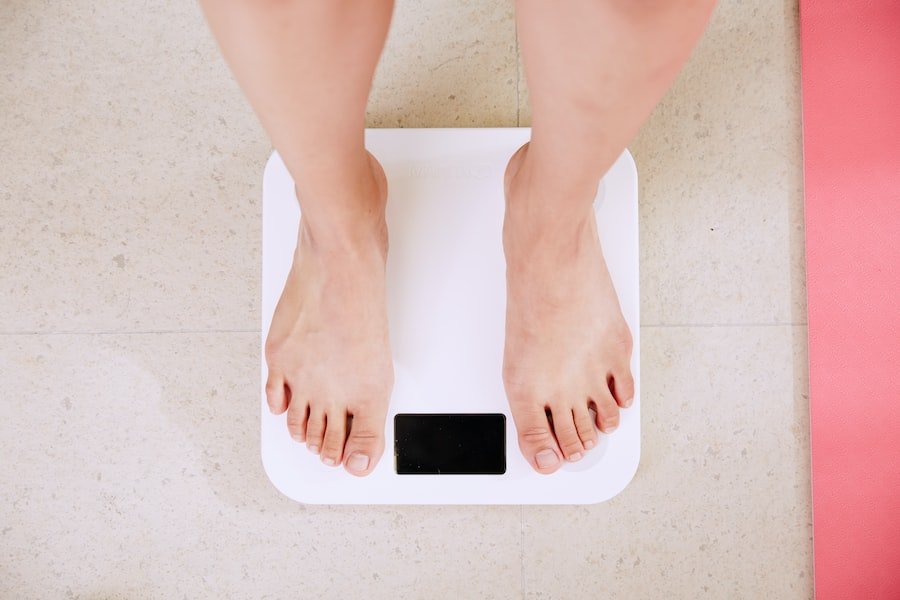
As mentioned earlier, age can impact weight loss speed in overweight individuals. As we age, our metabolism naturally slows down. This means that it may take longer for older individuals to lose weight compared to younger individuals. Additionally, hormonal changes that occur with age can also impact weight loss. For example, women going through menopause may experience changes in body composition and find it more difficult to lose weight.
The impact of medical conditions on weight loss speed in overweight individuals
Certain medical conditions can also impact weight loss speed in overweight individuals. Conditions such as hypothyroidism and polycystic ovary syndrome (PCOS) can affect metabolism and make it more difficult to lose weight. It is important for individuals with these conditions to work closely with their healthcare provider to develop a personalized weight loss plan that takes their specific needs into account.
The role of genetics in weight loss for overweight individuals
Genetics can also play a role in weight loss for overweight individuals. Some individuals may have a genetic predisposition to obesity or have a slower metabolism due to their genetic makeup. Understanding your genetic makeup can be helpful when developing a weight loss plan, as it can help you tailor your approach to maximize results.
The benefits of gradual weight loss for overweight individuals
While many individuals may be eager to lose weight quickly, it is important to prioritize gradual weight loss for long-term success. Rapid weight loss can often result in muscle loss and a slower metabolism, making it more difficult to maintain weight loss in the long term. Gradual weight loss allows the body to adjust and adapt, increasing the chances of sustainable weight loss. Additionally, gradual weight loss is more likely to result in fat loss rather than muscle loss.
Strategies for successful weight loss in overweight individuals
There are several strategies that can help overweight individuals achieve successful weight loss. First and foremost, it is important to set realistic goals. Losing 1-2 pounds per week is considered a healthy and sustainable rate of weight loss. It is also important to track progress and make adjustments as needed. This can be done by keeping a food diary, tracking exercise, and regularly weighing oneself. Additionally, finding a support system can be helpful in staying motivated and accountable. This can be done by joining a weight loss group or working with a registered dietitian or personal trainer.
In conclusion, weight loss is an important goal for overweight individuals looking to improve their health and well-being. The speed at which an individual loses weight can vary based on several factors such as age, gender, starting weight, body composition, exercise habits, diet, medical conditions, and genetics. It is important to approach weight loss with a focus on sustainable and gradual progress rather than quick fixes. By incorporating regular exercise, following a healthy diet, and making lifestyle changes that are tailored to individual needs, overweight individuals can achieve successful and long-lasting weight loss.
If you're wondering whether overweight people lose weight fast, you might be interested in reading this article on the mental and physical benefits of practicing martial arts. Martial arts can be a great way for people of all sizes to improve their fitness levels and shed excess pounds. It's not just about the physical aspect; martial arts also provide mental discipline and stress relief. Check out the article here to learn more about how martial arts can help with weight loss and overall well-being.
FAQs
What is considered overweight?
Overweight is defined as having a body mass index (BMI) between 25 and 29.9.
Do overweight people lose weight faster than those who are not overweight?
It is possible for overweight people to lose weight faster initially due to having a higher calorie burn rate, but weight loss ultimately depends on individual factors such as diet, exercise, and metabolism.
What are some effective ways for overweight people to lose weight?
Effective ways for overweight people to lose weight include a combination of a healthy diet, regular exercise, and lifestyle changes such as reducing stress and getting enough sleep.
Is it safe for overweight people to lose weight quickly?
Losing weight quickly can be safe for overweight people if done under the guidance of a healthcare professional and with a healthy approach that includes a balanced diet and regular exercise.
What are the health risks associated with being overweight?
Being overweight can increase the risk of health problems such as heart disease, stroke, diabetes, high blood pressure, and certain types of cancer.


