Peanuts are a popular and versatile snack that can be enjoyed in many different ways. They are not only delicious, but they also offer a range of nutritional benefits. Understanding the nutritional value of peanuts is important, especially for those who are looking to lose weight. Incorporating peanuts into a balanced diet can aid in weight loss and provide numerous health benefits.
Key Takeaways
- Peanuts are a nutrient-dense food that can provide a variety of health benefits.
- Peanuts can be a helpful addition to a weight loss diet due to their high protein and fiber content.
- A serving of peanuts typically contains around 160-170 calories.
- Portion control is important when eating peanuts for weight loss, as consuming too many calories can hinder progress.
- Including peanuts in a balanced diet can provide numerous benefits, such as improved heart health and blood sugar control.
Understanding the Nutritional Value of Peanuts
Peanuts are packed with essential nutrients that are beneficial for overall health. They are an excellent source of protein, which is important for building and repairing tissues in the body. Peanuts also contain healthy fats, such as monounsaturated and polyunsaturated fats, which can help reduce the risk of heart disease. Additionally, peanuts are rich in vitamins and minerals, including vitamin E, magnesium, and potassium.
The Role of Peanuts in a Weight Loss Diet
Contrary to popular belief, peanuts can actually aid in weight loss when consumed in moderation. The high protein and fiber content in peanuts can help increase feelings of fullness and reduce appetite, making it easier to stick to a calorie-controlled diet. Including peanuts in a balanced diet can also help stabilize blood sugar levels and prevent spikes in insulin, which can contribute to weight gain.
How Many Calories are in a Serving of Peanuts?
While peanuts offer numerous health benefits, it's important to be mindful of portion sizes due to their high calorie content. A serving size of peanuts is typically around 1 ounce or 28 grams, which contains approximately 160-170 calories. It's crucial to practice portion control when consuming peanuts to avoid consuming excess calories that could hinder weight loss efforts.
The Importance of Portion Control When Eating Peanuts for Weight Loss
Measuring out a proper serving size of peanuts is essential for weight loss. One way to measure a serving size is by using a food scale to weigh out 1 ounce or 28 grams of peanuts. If a food scale is not available, using measuring cups can also be helpful. It's important to avoid mindlessly snacking on peanuts straight from the bag, as it can be easy to consume more than a serving size without realizing it.
To practice portion control, it's helpful to pre-portion peanuts into individual snack bags or containers. This way, it's easier to grab a single serving when hunger strikes, rather than mindlessly eating from a larger container. It's also important to be mindful of portion sizes when incorporating peanuts into recipes or meals, as they can add up quickly if not measured properly.
Can Eating Too Many Peanuts Hinder Weight Loss Goals?
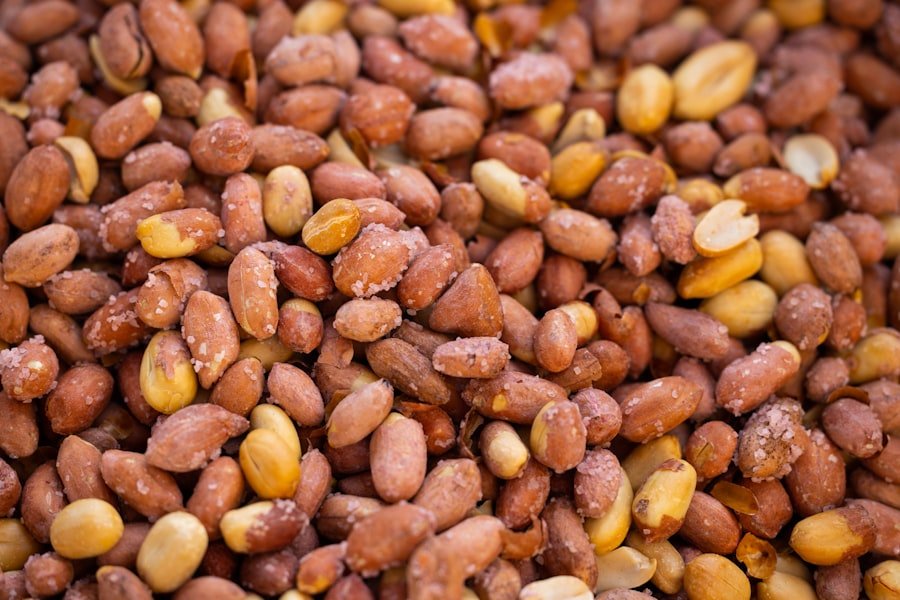
While peanuts can be beneficial for weight loss when consumed in moderation, overconsumption can hinder weight loss goals. Peanuts are calorie-dense and eating too many can lead to an excess intake of calories, which can contribute to weight gain. It's important to strike a balance and be mindful of portion sizes when incorporating peanuts into a weight loss diet.
The Benefits of Including Peanuts in a Balanced Diet for Weight Loss
Including peanuts in a balanced diet can offer numerous benefits for weight loss. The high protein and fiber content in peanuts can help increase feelings of fullness and reduce appetite, making it easier to stick to a calorie-controlled diet. Peanuts also contain healthy fats that can help reduce the risk of heart disease and promote satiety.
In addition to their nutritional benefits, peanuts can also help curb cravings for unhealthy snacks. The combination of protein, fiber, and healthy fats in peanuts can help stabilize blood sugar levels and prevent spikes in insulin, which can contribute to cravings for sugary and high-calorie foods.
How to Incorporate Peanuts into Your Daily Meal Plan for Optimal Weight Loss Results
There are many ways to incorporate peanuts into your daily meal plan for optimal weight loss results. Here are some recipe ideas and tips for adding peanuts to your diet:
- Add a handful of peanuts to your morning oatmeal or yogurt for added protein and crunch.
- Sprinkle crushed peanuts on top of salads or roasted vegetables for added flavor and texture.
- Use peanut butter as a spread on whole grain bread or as a dip for apple slices or celery sticks.
- Make a homemade trail mix with peanuts, dried fruit, and whole grain cereal for a satisfying and nutritious snack.
- Incorporate peanuts into stir-fries or noodle dishes for added protein and flavor.
The Best Time of Day to Eat Peanuts for Weight Loss
The timing of peanut consumption can also play a role in weight loss. It's generally recommended to consume peanuts earlier in the day, such as during breakfast or as a mid-morning snack. This can help provide sustained energy throughout the day and prevent overeating later on.
The Importance of Choosing the Right Type of Peanut for Weight Loss
When it comes to choosing the right type of peanut for weight loss, it's important to opt for unsalted and unflavored varieties. Salted peanuts can be high in sodium, which can contribute to water retention and bloating. Additionally, flavored peanuts often contain added sugars and unhealthy fats, which can hinder weight loss efforts.
Potential Risks and Side Effects of Eating Too Many Peanuts for Weight Loss
While peanuts offer numerous health benefits, it's important to be aware of potential risks and side effects, especially for those with allergies or sensitivities. Peanuts are one of the most common food allergens and can cause severe allergic reactions in some individuals. It's crucial to avoid peanuts if you have a known allergy or sensitivity.
Additionally, overconsumption of peanuts can lead to weight gain due to their high calorie content. It's important to strike a balance and practice portion control when incorporating peanuts into a weight loss diet.
In conclusion, peanuts can be a valuable addition to a weight loss diet when consumed in moderation. They offer a range of nutritional benefits and can help increase feelings of fullness and reduce appetite. However, it's important to practice portion control and choose the right type of peanut to avoid hindering weight loss goals. By incorporating peanuts into a balanced diet and practicing moderation, individuals can enjoy the benefits of peanuts while working towards their weight loss goals.
If you're looking to lose weight, you may be interested in an article titled "Exercising in the Morning May Be Best for Weight Loss." This article explores the benefits of working out in the morning and how it can help with weight loss. It discusses the science behind morning exercise and its impact on metabolism and fat burning. To read more about this topic, check out the article here.
FAQs
What is the recommended daily intake of peanuts for weight loss?
The recommended daily intake of peanuts for weight loss is about 1-2 ounces or 28-56 grams.
How do peanuts help in weight loss?
Peanuts are high in protein and fiber, which can help you feel full and satisfied, reducing your overall calorie intake. They also contain healthy fats that can boost your metabolism and help you burn more calories.
Can eating too many peanuts cause weight gain?
Yes, eating too many peanuts can cause weight gain as they are high in calories. It is important to consume them in moderation and within your daily calorie limit.
Are there any health risks associated with eating peanuts?
Peanuts are generally safe to eat, but some people may have an allergy to them. Additionally, consuming too many peanuts can lead to weight gain and other health issues if consumed in excess.
Can I eat peanuts if I am on a low-carb diet?
Yes, peanuts can be consumed on a low-carb diet as they are low in carbohydrates and high in protein and healthy fats. However, it is important to consume them in moderation and within your daily calorie limit.