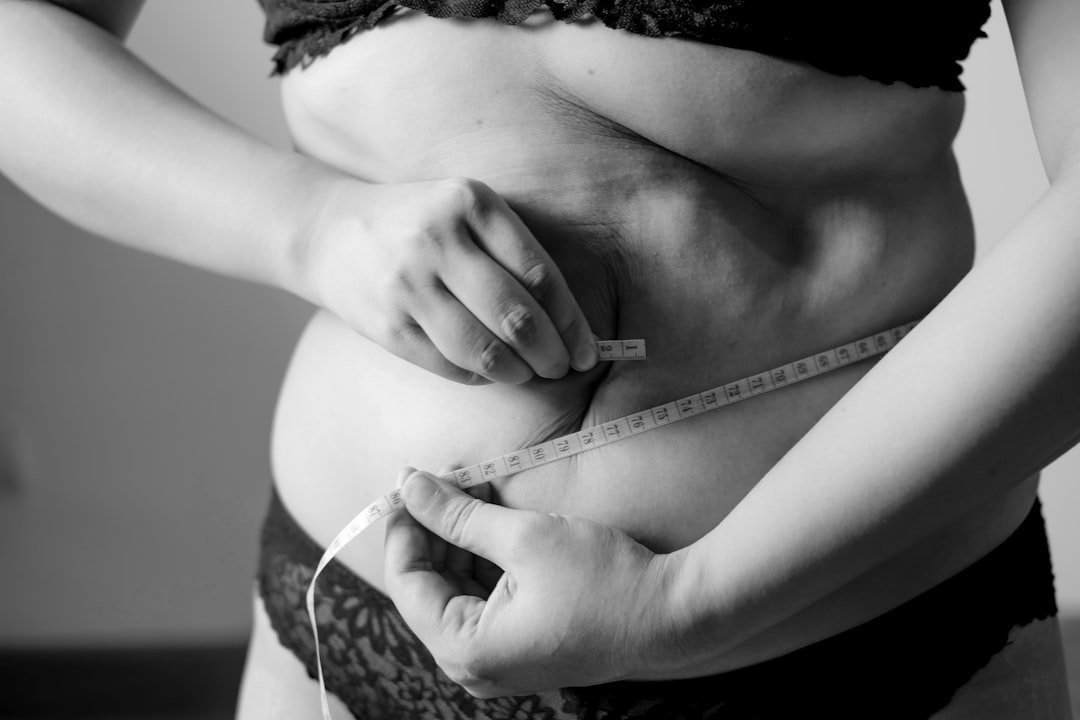
Excess abdominal fat, also known as tummy fat or visceral fat, is not just a cosmetic concern. It poses serious health risks and is associated with various chronic diseases such as heart disease, type 2 diabetes, and certain types of cancer. Unlike subcutaneous fat, which is found just beneath the skin, visceral fat is located deep within the abdominal cavity and surrounds vital organs such as the liver, pancreas, and intestines.
Visceral fat is metabolically active and releases hormones and chemicals that can disrupt the normal functioning of these organs. It increases insulin resistance, which can lead to high blood sugar levels and eventually develop into type 2 diabetes. It also promotes inflammation in the body, which is a key factor in the development of heart disease. Additionally, excess visceral fat has been linked to an increased risk of certain types of cancer, including breast and colorectal cancer.
Key Takeaways
- Tummy fat poses serious health risks, including heart disease and diabetes.
- Weight loss is a science that requires a calorie deficit through diet and exercise.
- A sustainable diet plan includes whole foods, portion control, and mindful eating habits.
- Physical activity, including strength training, is crucial for tummy fat loss.
- Mindful eating, hydration, and reducing alcohol consumption can aid in weight loss.
Understanding the science of weight loss
Weight loss occurs when you consume fewer calories than you burn, creating a calorie deficit. This deficit forces your body to tap into its stored energy reserves, including fat, to meet its energy needs. However, weight loss is not just about calories in versus calories out. Your metabolism plays a crucial role in determining how efficiently your body burns calories.
Metabolism refers to all the chemical processes that occur in your body to keep you alive and functioning. It includes processes such as digestion, respiration, and circulation. Your basal metabolic rate (BMR) is the number of calories your body needs to perform these basic functions at rest. Factors such as age, gender, body composition, and genetics influence your BMR.
Sustainable weight loss is important because crash diets or extreme calorie restriction can slow down your metabolism and lead to muscle loss. Losing muscle mass can further decrease your BMR and make it harder to maintain weight loss in the long term. It is recommended to aim for a gradual weight loss of 1-2 pounds per week, which can be achieved by creating a moderate calorie deficit through a combination of diet and exercise.
Tips for creating a sustainable and effective diet plan
Meal planning and preparation are essential for creating a sustainable and effective diet plan. By planning your meals in advance, you can ensure that you have nutritious options readily available and avoid making impulsive food choices. This can help you stay on track with your calorie goals and make healthier choices.
When planning your meals, it is important to focus on balanced macronutrients. Macronutrients are the three main components of our diet: carbohydrates, proteins, and fats. Each macronutrient plays a different role in our body and provides a different number of calories per gram. A balanced diet should include a variety of foods from each macronutrient group to ensure that you are getting all the essential nutrients your body needs.
Carbohydrates are the body's main source of energy and should make up about 45-65% of your total daily calorie intake. Choose complex carbohydrates such as whole grains, fruits, and vegetables, which provide fiber and other important nutrients. Protein is important for building and repairing tissues, as well as for maintaining muscle mass. Aim for about 10-35% of your total daily calories to come from protein sources such as lean meats, poultry, fish, beans, and legumes. Fats are essential for hormone production, vitamin absorption, and brain function. Include healthy fats such as avocados, nuts, seeds, and olive oil in your diet, but limit saturated and trans fats.
Incorporating physical activity into your daily routine
Regular physical activity is crucial for overall health and can help with tummy fat loss. Exercise not only burns calories but also increases muscle mass, which can boost your metabolism and help you maintain weight loss. It also improves cardiovascular health, reduces the risk of chronic diseases, and enhances mental well-being.
Finding enjoyable physical activities is key to sticking with an exercise routine. Choose activities that you enjoy and that fit into your lifestyle. This could be anything from walking, jogging, swimming, cycling, dancing, or playing a sport. The important thing is to find something that you look forward to doing and that you can sustain in the long term.
It is recommended to aim for at least 150 minutes of moderate-intensity aerobic activity or 75 minutes of vigorous-intensity aerobic activity per week, along with muscle-strengthening activities at least twice a week. However, any amount of physical activity is better than none, so start with small steps and gradually increase your activity level.
The benefits of strength training for tummy fat loss
Strength training, also known as resistance training or weightlifting, is an important component of any tummy fat loss plan. While aerobic exercise helps burn calories and improve cardiovascular health, strength training helps build lean muscle mass and increase metabolism.
When you engage in strength training exercises, you create micro-tears in your muscle fibers. As these tears heal, your muscles become stronger and more toned. This increase in muscle mass leads to an increase in basal metabolic rate, meaning that your body burns more calories even at rest.
Strength training can be done using free weights, weight machines, resistance bands, or even just your body weight. Compound exercises that target multiple muscle groups at once are particularly effective for tummy fat loss. Examples of compound exercises include squats, deadlifts, lunges, push-ups, and pull-ups.
Mindful eating habits to reduce stress and overeating
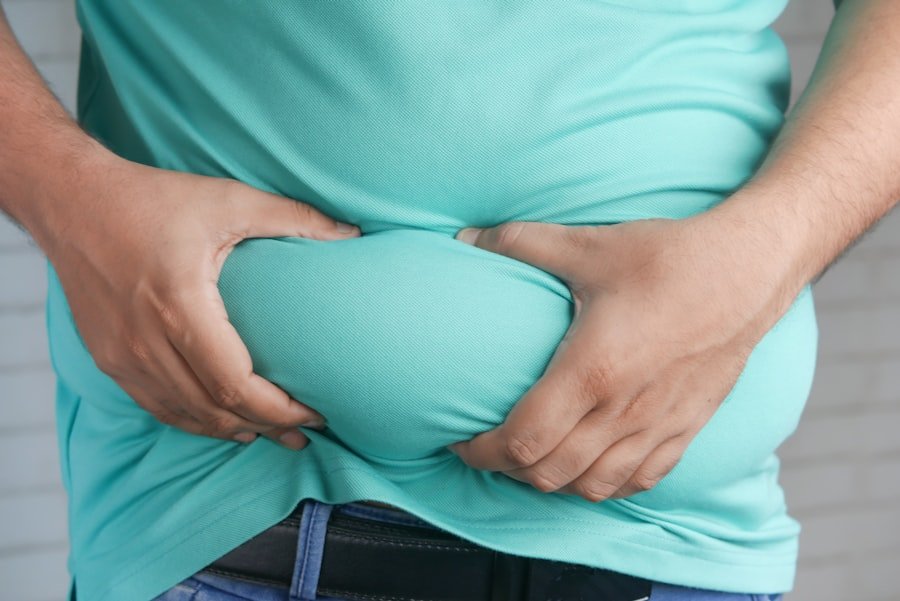
Stress can often lead to overeating or making unhealthy food choices as a way to cope with emotions. This can contribute to tummy fat gain and hinder weight loss efforts. Practicing mindful eating can help reduce stress and prevent overeating.
Mindful eating involves paying attention to the present moment and being fully aware of your eating experience. It involves listening to your body's hunger and fullness cues, savoring each bite, and eating without distractions. By slowing down and being present while eating, you can better tune in to your body's signals of hunger and fullness, which can help prevent overeating.
To practice mindful eating, try to eat in a calm and relaxed environment, free from distractions such as television or smartphones. Take the time to chew your food thoroughly and savor the flavors and textures. Pay attention to how your body feels before, during, and after eating. This can help you develop a healthier relationship with food and make more conscious choices.
The importance of hydration and reducing alcohol consumption
Staying hydrated is important for overall health and can also aid in tummy fat loss. Drinking an adequate amount of water helps maintain proper bodily functions, supports digestion, and can help control appetite. It is recommended to drink at least 8 cups (64 ounces) of water per day, but individual needs may vary depending on factors such as activity level and climate.
On the other hand, excessive alcohol consumption can hinder weight loss efforts. Alcohol is high in calories and provides little nutritional value. It is also metabolized differently than other macronutrients, as the body prioritizes breaking down alcohol over burning fat. Additionally, alcohol can lower inhibitions and lead to poor food choices or overeating.
If you choose to drink alcohol, it is important to do so in moderation. The Centers for Disease Control and Prevention (CDC) defines moderate drinking as up to one drink per day for women and up to two drinks per day for men. It is also important to be mindful of the type of alcoholic beverages you consume, as some are higher in calories and sugar than others. Opt for lower-calorie options such as light beer, wine, or spirits mixed with calorie-free mixers.
Natural supplements and foods to aid in tummy fat loss
While there is no magic pill or food that can specifically target tummy fat, certain supplements and foods may aid in weight loss and overall fat reduction. It is important to note that these should be used in conjunction with a healthy diet and exercise routine, and their effectiveness may vary from person to person.
Green tea extract is a popular supplement that has been shown to increase fat oxidation and boost metabolism. It contains catechins, which are antioxidants that can help reduce inflammation and promote weight loss. However, it is important to choose a high-quality supplement and follow the recommended dosage.
Probiotics are another supplement that may aid in tummy fat loss. These beneficial bacteria can help improve gut health, reduce inflammation, and regulate appetite. They can be found in fermented foods such as yogurt, kefir, sauerkraut, and kimchi, or taken as a supplement.
Certain foods have also been shown to have potential benefits for tummy fat loss. Foods high in fiber, such as fruits, vegetables, whole grains, and legumes, can help keep you feeling full and satisfied, reducing the likelihood of overeating. Foods rich in omega-3 fatty acids, such as fatty fish (salmon, mackerel, sardines), flaxseeds, chia seeds, and walnuts, have been shown to reduce inflammation and promote fat loss.
Tracking progress and staying motivated
Tracking your progress is important for staying motivated and making adjustments to your weight loss plan as needed. There are various ways to track progress, including measuring body weight, body measurements (such as waist circumference), body fat percentage, or taking progress photos.
It is important to remember that weight loss is not always linear and can fluctuate from day to day due to factors such as water retention or hormonal changes. Instead of solely relying on the scale, focus on other indicators of progress such as how your clothes fit, improvements in strength and endurance, or increased energy levels.
Staying motivated can be challenging, especially when progress slows down or plateaus. It is important to set realistic goals and celebrate small victories along the way. Surround yourself with a supportive network of friends and family who can encourage and motivate you. Find activities or hobbies that bring you joy and help relieve stress. Remember that weight loss is a journey, and it is important to focus on overall health and well-being rather than just the number on the scale.
Seeking professional guidance for safe and successful weight loss
While there is a wealth of information available on weight loss, seeking professional guidance can provide personalized advice and support for safe and successful weight loss. Registered dietitians or nutritionists can help create a customized meal plan that meets your individual needs and preferences. They can also provide guidance on portion control, label reading, and making healthier food choices.
Personal trainers or exercise physiologists can help design an exercise program tailored to your fitness level and goals. They can teach proper form and technique to prevent injuries and provide motivation and accountability.
If you have underlying health conditions or are taking medications, it is important to consult with your healthcare provider before starting any weight loss program. They can provide guidance based on your specific medical history and help monitor your progress.
Tummy fat not only affects our appearance but also poses serious health risks. Understanding the science of weight loss, creating a sustainable diet plan, incorporating physical activity into our daily routine, practicing mindful eating habits, staying hydrated, and reducing alcohol consumption are all important steps in achieving tummy fat loss. Additionally, strength training, tracking progress, seeking professional guidance, and incorporating natural supplements and foods can further enhance our weight loss efforts. By taking action towards a healthier lifestyle, we can reduce tummy fat and improve our overall health and well-being.
If you're looking to lose tummy fat quickly, you might be interested in this article on the benefits of martial arts training for women and girls. Martial arts not only provide a great workout, but they also empower individuals both mentally and physically. This article explores how martial arts can break down barriers and empower women and girls to become stronger and more confident. Check it out here.
FAQs
What is tummy fat?
Tummy fat, also known as visceral fat, is the fat that accumulates around the abdominal organs. It is considered to be harmful to health as it increases the risk of various diseases such as diabetes, heart disease, and certain cancers.
What causes tummy fat?
Tummy fat is caused by a combination of factors such as genetics, poor diet, lack of physical activity, stress, and hormonal changes.
How can I lose tummy fat quickly?
To lose tummy fat quickly, you need to follow a healthy diet, engage in regular physical activity, and manage stress levels. Some effective exercises for tummy fat include crunches, planks, and bicycle crunches.
What foods should I avoid to lose tummy fat?
To lose tummy fat, you should avoid processed foods, sugary drinks, and foods high in saturated and trans fats. Instead, focus on eating whole foods such as fruits, vegetables, lean proteins, and healthy fats.
How much physical activity do I need to lose tummy fat?
To lose tummy fat, you should aim for at least 150 minutes of moderate-intensity aerobic exercise or 75 minutes of vigorous-intensity aerobic exercise per week. Additionally, you should engage in strength training exercises at least twice a week.
Is it possible to lose tummy fat without exercise?
While exercise is an important component of losing tummy fat, it is possible to lose some weight through diet alone. However, combining a healthy diet with regular physical activity is the most effective way to lose tummy fat.