Weight loss is a topic that is often discussed in today's society, as many people strive to achieve a healthier lifestyle. The importance of weight loss goes beyond just physical appearance; it has a significant impact on overall health and well-being. Excess weight can lead to a variety of health issues, including heart disease, diabetes, and high blood pressure. Therefore, losing weight can not only improve one's physical appearance but also reduce the risk of developing these chronic conditions.
Key Takeaways
- Weight loss is the process of reducing body weight through a combination of diet and exercise.
- A weight loss of 5-10% of body weight is considered noticeable and can lead to health benefits.
- Factors such as body shape, clothing, and muscle mass can affect the visibility of weight loss.
- Body composition, including muscle and fat distribution, plays a significant role in weight loss visibility.
- Starting weight can impact the visibility of weight loss, with larger individuals potentially seeing more noticeable results.
- Setting realistic weight loss goals is important for sustainable progress and avoiding disappointment.
- Celebrating small victories, such as fitting into smaller clothing sizes, can provide motivation and boost confidence.
- Visible weight loss can have positive psychological benefits, including improved self-esteem and mood.
- Strategies for maximizing weight loss visibility include strength training, wearing form-fitting clothing, and tracking progress.
- Maintaining weight loss and sustaining visible results requires continued healthy habits and a focus on overall wellness.
Understanding the concept of weight loss
Weight loss refers to the reduction of body weight, which can occur through various methods. The most common way to lose weight is by creating a calorie deficit, which means consuming fewer calories than you burn. This can be achieved through a combination of diet and exercise. Other methods of weight loss include surgery, such as gastric bypass or lap band procedures, as well as the use of medications or supplements.
How much weight loss is considered noticeable?
The amount of weight loss that is considered noticeable can vary depending on several factors. These factors include starting weight, body composition, and individual differences. Generally, a weight loss of 5-10% of one's body weight is considered noticeable. For example, if someone weighs 200 pounds, a noticeable weight loss would be 10-20 pounds.
Factors that affect the visibility of weight loss
Several factors can affect the visibility of weight loss. Age, gender, and genetics play a role in how weight loss is distributed throughout the body. Men tend to lose weight more quickly than women due to differences in metabolism and muscle mass. Additionally, genetics can influence where fat is stored in the body and how it is lost.
Lifestyle factors such as diet and exercise also impact the visibility of weight loss. A healthy diet and regular exercise can help promote fat loss and muscle gain, which can lead to a more toned appearance. On the other hand, a poor diet and sedentary lifestyle can hinder weight loss and make it less noticeable.
Health conditions and medications can also affect the visibility of weight loss. Certain medical conditions, such as hypothyroidism or polycystic ovary syndrome (PCOS), can make it more difficult to lose weight. Additionally, some medications, such as antidepressants or corticosteroids, can cause weight gain or make it harder to lose weight.
The role of body composition in weight loss visibility
Weight loss is not solely about losing pounds on the scale; it is also about losing fat and gaining muscle. Body composition refers to the proportion of fat, muscle, and other tissues in the body. When someone loses weight, they may lose both fat and muscle. However, losing fat is what typically leads to a more noticeable change in appearance.
The impact of starting weight on weight loss visibility
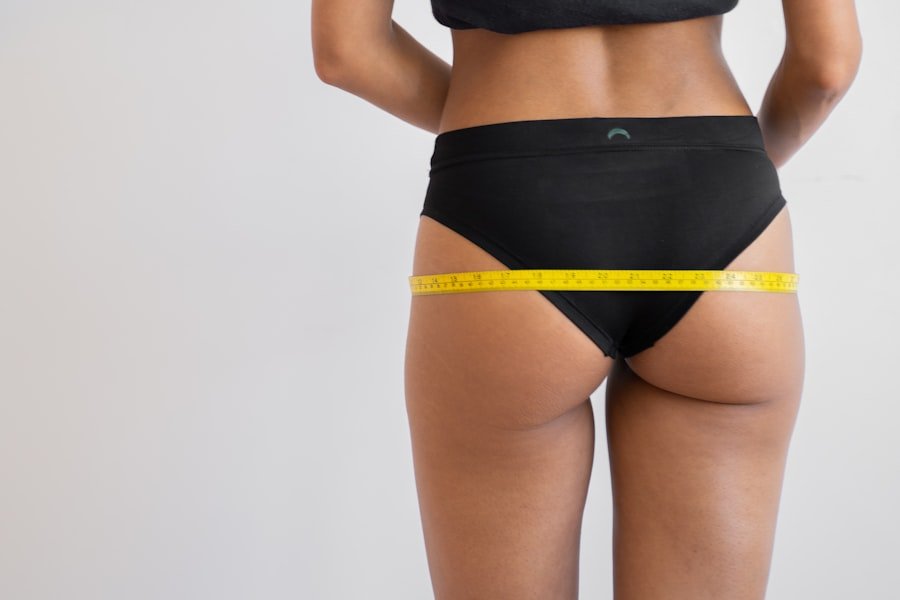
The starting weight of an individual can impact the rate at which they lose weight and how noticeable the weight loss is. Generally, individuals with a higher starting weight may experience more rapid weight loss initially. This is because they have more excess weight to lose. However, as someone gets closer to their goal weight, the rate of weight loss may slow down.
The relationship between starting weight and noticeable weight loss is also influenced by body composition. If someone has a higher percentage of body fat, they may notice a more significant change in appearance with a smaller amount of weight loss compared to someone with a lower percentage of body fat.
The importance of setting realistic weight loss goals
Setting realistic weight loss goals is crucial for several reasons. Firstly, setting achievable goals helps to maintain motivation and prevent feelings of frustration or disappointment. When goals are too lofty or unrealistic, it can be challenging to stay committed to the process.
Secondly, setting realistic goals allows for sustainable progress. Rapid weight loss may lead to muscle loss and a decrease in metabolism, making it harder to maintain weight loss in the long term. By setting achievable goals, individuals can focus on making gradual, sustainable changes to their lifestyle.
Celebrating small victories in weight loss
Acknowledging and celebrating small victories along the weight loss journey is essential for maintaining motivation and boosting self-confidence. Even small changes, such as fitting into a smaller clothing size or losing a few inches off the waist, should be celebrated. These small victories serve as reminders of progress and can help individuals stay motivated to continue their weight loss journey.
The psychological benefits of visible weight loss
Visible weight loss can have a significant impact on an individual's mental health and well-being. Losing weight and improving physical appearance can boost self-esteem and confidence. It can also improve body image and reduce feelings of self-consciousness or shame.
Furthermore, visible weight loss can lead to improved mental health outcomes. Research has shown that individuals who lose weight and maintain a healthy lifestyle are less likely to experience symptoms of depression and anxiety. This may be due to the positive effects of exercise on mood and the increased sense of control over one's health.
Strategies for maximizing weight loss visibility
There are several strategies that individuals can use to maximize the visibility of their weight loss. Firstly, focusing on strength training exercises can help build muscle and create a more toned appearance. Incorporating resistance training into a workout routine can help increase muscle mass while simultaneously burning fat.
Secondly, paying attention to diet is crucial for maximizing weight loss visibility. Consuming a balanced diet that is rich in fruits, vegetables, lean proteins, and whole grains can support fat loss and muscle gain. Additionally, staying hydrated and avoiding excessive alcohol consumption can help reduce bloating and water retention.
Tracking progress effectively is also important for maximizing weight loss visibility. This can be done through various methods, such as taking measurements, progress photos, or using a body composition scale. These tools can help individuals see changes in their body composition and provide motivation to continue their weight loss journey.
Maintaining weight loss and sustaining visible results
Maintaining weight loss and sustaining visible results requires a long-term commitment to healthy habits. It is important to continue following a balanced diet and engaging in regular physical activity even after reaching a goal weight. This will help prevent weight regain and ensure that the results of weight loss remain visible.
Additionally, finding ways to stay motivated and accountable can be helpful in maintaining weight loss. This can be done through joining a support group, working with a personal trainer, or tracking progress regularly. Celebrating milestones along the way can also provide motivation and reinforce the importance of maintaining healthy habits.
In conclusion, weight loss is not just about physical appearance; it has a significant impact on overall health and well-being. The visibility of weight loss can vary depending on factors such as age, gender, genetics, body composition, and starting weight. Setting realistic goals, celebrating small victories, and maintaining healthy habits are essential for maximizing weight loss visibility and sustaining long-term results. By prioritizing weight loss and making positive lifestyle changes, individuals can improve their physical appearance, boost self-esteem, and enhance their overall quality of life.
If you're wondering whether a 20 lbs weight loss is noticeable, you might be interested in reading about the tragic story of a congresswoman's wife who passed away after taking a weight loss substance. This article sheds light on the dangers of relying on quick fixes and emphasizes the importance of sustainable and healthy weight loss methods. To learn more about this cautionary tale, click here. Additionally, if you're looking for inspiration and motivation, you can explore the incredible weight loss journey of Ryan Hall through weightlifting. Discover how he transformed his body and gained renewed energy by clicking here.
FAQs
What is the average weight loss goal?
The average weight loss goal for most people is around 10-20 pounds.
Is 20 lbs weight loss noticeable?
Yes, a 20-pound weight loss is noticeable and can make a significant difference in a person's appearance and health.
How long does it take to lose 20 pounds?
The time it takes to lose 20 pounds varies depending on factors such as diet, exercise, and metabolism. However, a healthy rate of weight loss is 1-2 pounds per week, so it could take 10-20 weeks to lose 20 pounds.
What are the health benefits of losing 20 pounds?
Losing 20 pounds can have numerous health benefits, including reducing the risk of heart disease, diabetes, and certain cancers. It can also improve blood pressure, cholesterol levels, and overall energy levels.
What are some tips for losing 20 pounds?
Some tips for losing 20 pounds include setting realistic goals, tracking food intake, increasing physical activity, and seeking support from friends or a healthcare professional. It's also important to focus on making sustainable lifestyle changes rather than quick fixes.