Martial arts belts symbolize a practitioner's journey, discipline, and growth, with each color representing different skill levels and meanings.
Key Takeaways 📝
- Martial arts belts symbolize a practitioner's journey of growth and discipline, with each color representing distinct stages in their skill development.
- The modern belt system originated from Dr. Jigoro Kano, who introduced colored belts in the late 1880s, establishing a visual way to recognize progress in martial arts.
- Different martial arts have unique ranking systems, with varied numbers of belts and meanings, highlighting the diversity within martial arts disciplines.
- Advancing through belt ranks not only showcases technical skills but also encourages personal development, resilience, and goal-setting that extend beyond the dojo.
- Understanding the significance of each belt color enhances appreciation for martial arts and underscores the commitment to lifelong learning and self-improvement.
Martial arts, with its rich tapestry of history and discipline, offers practitioners more than just physical prowess. At the heart of this experience lies the martial arts belts system, a colorful progression that marks the journey from novice to master. Let's dive deep into the world of martial arts belts, exploring their history, significance, and what they represent in various disciplines.
Introduction to Martial Arts Belts
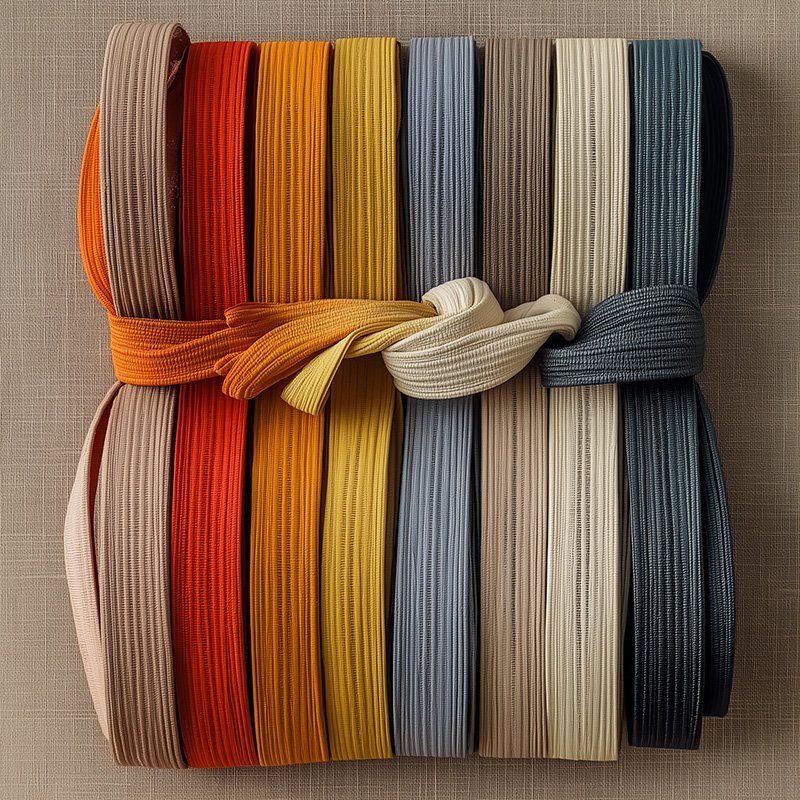
Martial arts belts are more than just colorful sashes wrapped around practitioners' waists. They represent a journey of discipline, growth, and relentless pursuit of self-improvement. Each knot tied in a belt is a step towards mastery, a testament to the hours of sweat, dedication, and learning. Have you ever wondered what these belts truly signify and why they are such an integral part of martial arts culture?
The Origins of the Martial Arts Belt System
The modern belt system we see today in martial arts owes much to Dr. Jigoro Kano, the founder of Judo. In the late 1880s, Dr. Kano introduced a system of colored belts to denote the skill levels of his students. Before this, martial artists didn't have a standardized way of recognizing progress. The belts began simply—white for beginners and black for advanced students. This system allowed for a clear, visual representation of a practitioner's journey and skill level.
Symbolism of Belt Colors
Each belt color in martial arts carries its own symbolism, often reflecting nature's cycles and growth patterns.
White Belt
The starting point, a white belt, symbolizes purity and the beginning of a journey. It represents a clean slate, where the student has everything to learn.
Yellow Belt
The yellow belt signifies the first rays of sunlight, indicating the student's awakening and initial understanding of basic techniques.
Orange Belt
With the orange belt, the student is seen as gaining strength and intensity, much like the rising sun that grows warmer and more vibrant.
Green Belt
Green belts symbolize growth, akin to a plant that is sprouting and developing. This stage sees the student refining techniques and gaining more confidence.
Blue Belt
The blue belt mirrors the sky, towards which plants grow. It represents the expansive learning and deeper understanding of the martial art.
Purple Belt
Purple belts indicate transition and ambition, much like a sky at dusk. It suggests a move towards more advanced training and skill acquisition.
Brown Belt
The brown belt is symbolic of maturity and readiness for harvest. It shows that a student is well-versed in their art, preparing for the final stages before mastery.
Red Belt
Red is a color of danger and strength, and the red belt signifies deep knowledge and high-level skills, close to mastery.
Black Belt
Finally, the black belt represents mastery and the culmination of years of hard work. It signifies the absorption of all prior learning and the beginning of a lifelong path of mastery and teaching.
Ranking Systems in Different Martial Arts
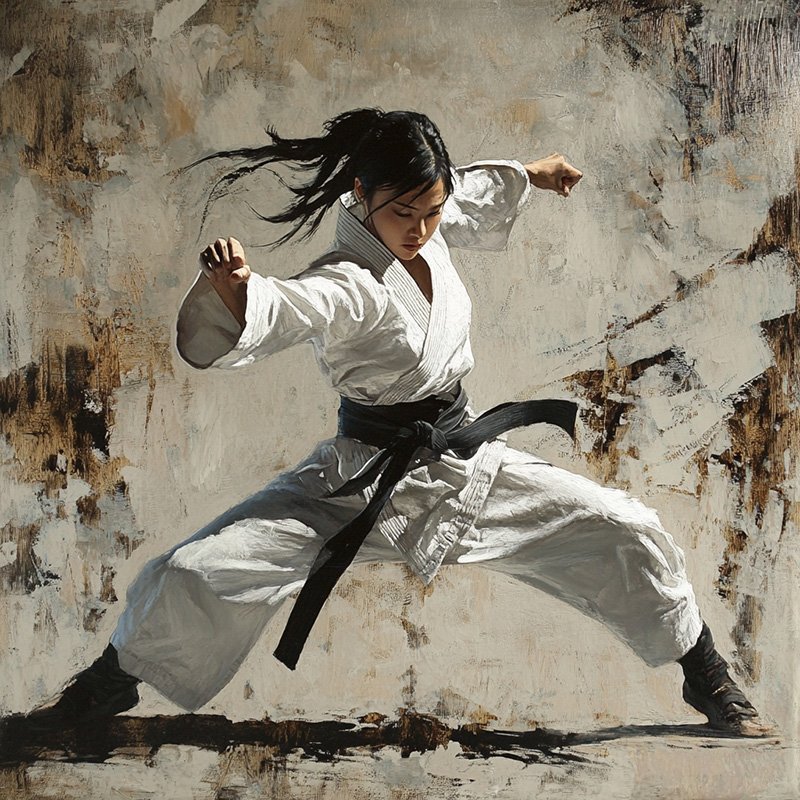
Different martial arts have developed unique ranking systems, each with its own set of colors and meanings. For example:
- Karate: Typically involves 8-10 colored belts before reaching the black belt.
- Judo: Has a system of seven colored belts leading up to black.
- Taekwondo: Features 12 distinct belts.
- Brazilian Jiu-Jitsu (BJJ): Uses a simpler system, with five colored belts.
Cultural Significance of Belts in Martial Arts
In many Asian cultures, martial arts are deeply intertwined with cultural values and philosophies. The belt system, therefore, not only signifies technical skill but also embodies virtues such as respect, humility, and perseverance. The colors often reflect elements of nature, tying the practitioner's journey to the broader cycles of life and growth.
Training Philosophies Behind Belt Progression
The progression through martial arts belts is not solely about mastering techniques. It is also about personal growth and development. Martial artists are taught to embody the principles of their art in their daily lives, carrying the lessons of discipline, focus, and resilience beyond the dojo.
The Psychological Impact of Belt Advancement
Achieving a new belt can be a significant psychological boost for practitioners. It validates their hard work and provides motivation to continue. The belt system also encourages goal-setting and perseverance, teaching valuable life skills that extend beyond martial arts.
Comparing Belt Systems: Karate, Judo, Taekwondo, BJJ, and Kumdo
Each martial art has its own unique approach to belts, reflecting its history and philosophy. Let's explore how these systems vary across different martial arts disciplines, including the lesser-known but equally fascinating Kumdo.
- Karate: Karate emphasizes strikes and kata, which are detailed patterns of movements. Its belt system is rigorous, often requiring detailed proficiency in techniques and forms before advancement.
- Judo: Judo focuses on throws and grappling. The progression is structured, with students needing to demonstrate competence in various techniques and randori (sparring) to advance through the belt ranks.
- Taekwondo: Known for its dynamic and high, fast kicks, Taekwondo has a broad belt spectrum. The system often involves learning forms, sparring, and breaking techniques as criteria for progression.
- Brazilian Jiu-Jitsu (BJJ): BJJ emphasizes ground fighting and submissions. Its belt progression is longer, as it requires deep technical knowledge and practical application, usually taking many years to achieve a black belt due to its complexity.
- Kumdo: Kumdo, a modern Korean martial art similar to Japanese Kendo, focuses on swordsmanship. Its belt system includes a series of colored belts leading to black, with progression typically based on proficiency in techniques, forms called "gumbup," sparring, and sometimes theoretical knowledge of swordsmanship. Kumdo students start with a white belt and progress through various colors, similar to other martial arts, though the emphasis is primarily on the mastery of the sword and the mental discipline accompanying it.
Kumdo's belt system, like the others, serves as a roadmap for practitioners, highlighting their journey from beginners to adept swordsmen, all while encapsulating the philosophy of respect, discipline, and continuous improvement.
Challenges and Controversies Around Belt Systems
Despite their benefits, belt systems can sometimes be controversial. Some argue that they create unnecessary competition or that they may be used to commercialize martial arts, with "belt factories" offering promotions for a fee rather than skill. It's a debate that continues to engage martial arts communities worldwide.
The Future of Martial Arts Belts
As martial arts continue to evolve, so too might the belt systems. Some schools may adapt their systems to better reflect the needs of their students, incorporating new colors or merging the traditional with modern training methodologies.
Final Thoughts
Martial arts belts are more than just colored fabric; they are a symbol of a practitioner's journey, growth, and dedication. Each belt color provides insight into the student's progress and readiness to advance, enriching the martial arts experience with deep tradition and personal meaning. Understanding the belts' meanings and history not only enhances one's appreciation of martial arts but also offers a pathway to personal development and lifelong learning.
FAQs
Why do different martial arts have different belt colors?
Different martial arts have distinct philosophies and histories, which are reflected in their unique belt systems.
How long does it typically take to earn a black belt?
It varies by discipline, but generally, it can take anywhere from 5 to 10 years of dedicated practice.
Are there universal standards for belt colors in martial arts?
No, each martial art sets its own standards and progression for belt colors.
What is the significance of a black belt in martial arts?
A black belt symbolizes mastery of the basics and a commitment to lifelong learning and teaching.
Do belt colors have the same meaning in all martial arts?
While there are common themes, each martial art may interpret belt colors differently based on its unique philosophy and culture.
In the vibrant world of martial arts, belts signify more than just rank; they are emblems of the journey, discipline, and transformation. Each color tells a story, inviting practitioners and observers alike to delve deeper into the rich traditions and personal growth that martial arts offer.