{{brizy_dc_image_alt entityId=

Best martial arts for self-defense include Taekwondo, BJJ, Muay Thai, Krav Maga, MMA, Judo, and Wing Chun, each offering unique advantages.

Key Takeaways 📝

  • Martial arts not only teach self-defense techniques but also foster confidence and discipline, making them valuable for personal growth.
  • Krav Maga is often highlighted as one of the most comprehensive self-defense systems, covering striking, grappling, and weapon disarming.
  • While popular martial arts like Taekwondo and BJJ have distinct strengths, their effectiveness can depend on the specific self-defense scenario.
  • Choosing the right martial art involves considering personal goals, physical condition, and training availability to ensure a tailored fit for effective self-defense.
  • The best martial art for self-defense is the one that aligns with your needs and interests, encouraging consistent practice and engagement.

Best martial arts for self-defense?
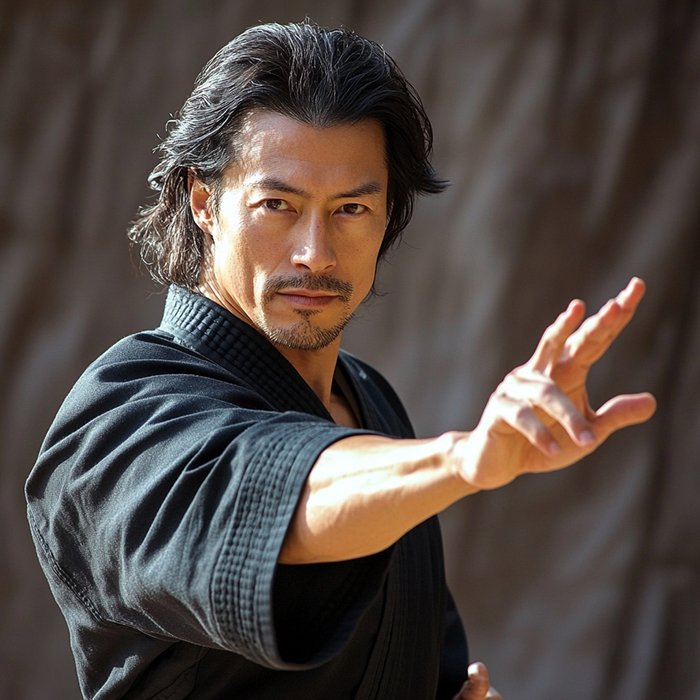
A focused martial artist in a black uniform, demonstrating a hand gesture that emphasizes precision and readiness, representing the essence of the best martial arts.

In a world where personal safety is a growing concern, knowing how to defend oneself is more important than ever. Martial arts can provide not only the techniques needed to protect oneself but also the confidence and discipline to handle threatening situations calmly. But with so many martial arts disciplines out there, which ones are the best for self-defense? In this detailed guide, we'll explore the best martial arts for self-defense, discuss their unique advantages, and help you decide which might be the right fit for you.

Introduction

Before diving into the specifics, let's address the fundamental question: Why learn martial arts for self-defense? Whether you're looking to boost your self-confidence, improve your physical fitness, or acquire practical self-defense skills, martial arts can offer a holistic approach to personal safety and well-being.

What Makes a Martial Art Effective for Self-Defense?

When evaluating the effectiveness of martial arts for self-defense, consider the following factors:

  • Practicality: Techniques that are easy to learn and remember under stress.
  • Comprehensiveness: Covers various scenarios, from striking to grappling.
  • Adaptability: Can be applied against different kinds of attackers and situations.
  • Accessibility: Suitable for people of different sizes, strengths, and ages.

The Best Martial Arts for Self-Defense

Taekwondo

Origin and Philosophy
Originating from Korea, Taekwondo emphasizes high, fast kicks and spinning jump kicks. Its philosophy focuses on discipline, respect, and self-control.

Self-Defense Applications
Taekwondo is particularly effective for self-defense due to its powerful long-range kicks. These kicks can keep an attacker at bay and create distance for escape. The art also incorporates blocks and strikes that can be used effectively in a self-defense scenario.

Strengths and Limitations
While its kicks are formidable, Taekwondo's focus on kicking can be a limitation in close-quarters combat. However, its emphasis on speed and agility is beneficial for avoiding and countering attacks.

Brazilian Jiu-Jitsu (BJJ)

Origin and Philosophy
Brazilian Jiu-Jitsu, developed in Brazil, emphasizes ground fighting and submission holds. It teaches practitioners to use leverage and technique over brute strength.

Self-Defense Applications
BJJ excels in self-defense scenarios where the fight goes to the ground. It allows a smaller defender to control and submit a larger attacker through joint locks and chokeholds.

Strengths and Limitations
BJJ's strength lies in its ability to neutralize threats on the ground. However, it may not address striking or dealing with multiple attackers as effectively as some other martial arts.

Muay Thai

Origin and Philosophy
Known as the "Art of Eight Limbs," Muay Thai hails from Thailand and uses punches, kicks, elbows, and knees. It focuses on toughness, endurance, and power.

Self-Defense Applications
Muay Thai's comprehensive striking techniques make it highly effective for self-defense. The use of elbows and knees in close combat can be particularly devastating.

Strengths and Limitations
While Muay Thai is versatile in striking, it does not focus on ground techniques, which can be a limitation when the fight goes to the ground.

Krav Maga

Origin and Philosophy
Developed by the Israeli military, Krav Maga is designed for real-world combat. It emphasizes aggression, speed, and efficiency.

Self-Defense Applications
Krav Maga is one of the most practical self-defense systems, covering all aspects of self-defense, including strikes, grappling, and disarming weapons.

Strengths and Limitations
Its no-nonsense approach makes it effective, but its intensity and aggressive techniques might not appeal to everyone, especially those looking for a more traditional martial art experience.

Mixed Martial Arts (MMA)

Origin and Philosophy
MMA combines elements from various martial arts, including boxing, wrestling, BJJ, and Muay Thai. It is known for its comprehensive approach to combat sports.

Self-Defense Applications
MMA provides a well-rounded set of skills for self-defense, covering striking and grappling both standing and on the ground.

Strengths and Limitations
While MMA is effective, it can be physically demanding and may require significant training to master the diverse techniques.

Judo

Origin and Philosophy
Originating from Japan, Judo focuses on throws and grappling, using an opponent's force against them.

Self-Defense Applications
Judo is effective in self-defense due to its emphasis on throws and controlling techniques, which can incapacitate an attacker without causing serious harm.

Strengths and Limitations
Judo excels in close-range combat but lacks striking techniques, which can be a drawback in certain situations.

Wing Chun

Origin and Philosophy
Wing Chun, a Chinese martial art, is known for its close-range combat and rapid strikes. It emphasizes efficiency and directness.

Self-Defense Applications
Wing Chun's quick and direct strikes, combined with its emphasis on controlling the centerline, make it effective in close-quarters self-defense situations.

Strengths and Limitations
While Wing Chun is effective at close range, it may not be as effective against long-range attacks or multiple attackers.

Factors to Consider When Choosing a Martial Art for Self-Defense

Personal Goals and Preferences

Consider why you're learning martial arts. Is it purely for self-defense, fitness, or personal growth? Your goals will influence which martial art is best for you.

Physical Condition and Limitations

Different martial arts place varying demands on the body. Choose one that fits your physical condition and any limitations you may have.

Availability of Training Facilities

Access to qualified instructors and training facilities can influence your choice. Ensure you have access to quality training in your chosen martial art.

Cultural and Philosophical Alignment

Some martial arts come with rich cultural and philosophical backgrounds. If these aspects are important to you, consider them in your decision.
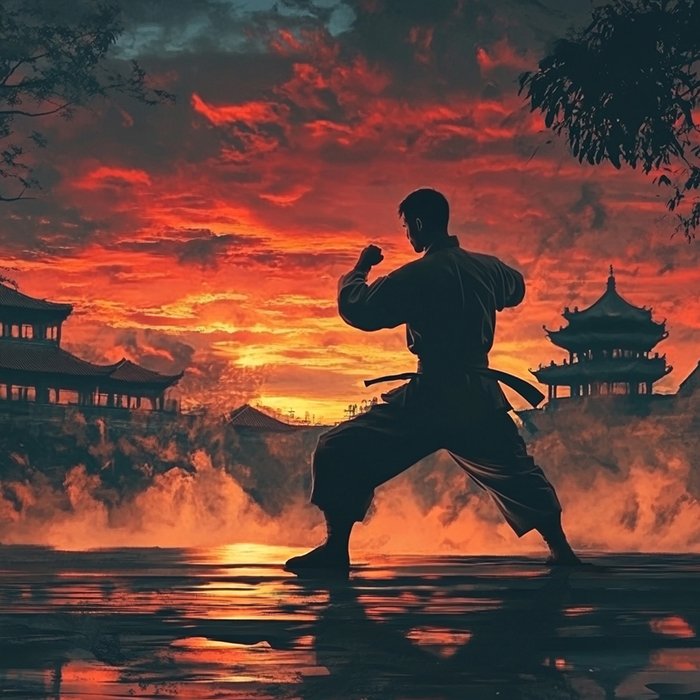
A silhouette of a martial artist poised in a fighting stance against a dramatic sunset, symbolizing the beauty and discipline of the best martial arts traditions.

Choosing the best martial art for self-defense is a personal decision that depends on various factors, including your goals, physical condition, and personal preferences. Each martial art offers unique benefits, and understanding these can help you make an informed choice. Remember, the best martial art is the one that suits your needs and that you enjoy practicing.

FAQs

What is the most effective martial art for self-defense?

The effectiveness of a martial art for self-defense depends on the individual's needs and the context of the situation. Krav Maga and MMA are often regarded as highly effective due to their comprehensive nature.

Can I learn martial arts for self-defense online?

While online resources can supplement your training, learning martial arts effectively requires hands-on practice with qualified instructors.

How long does it take to become proficient in martial arts for self-defense?

Proficiency varies by individual and martial art but generally takes several months to years of consistent practice.

Is age a barrier to learning martial arts for self-defense?

No, many martial arts can be adapted for different ages and physical abilities. It's important to choose a style that matches your fitness level.

How do martial arts improve self-confidence?

Martial arts training builds self-confidence through improving physical fitness, teaching practical self-defense skills, and fostering a sense of achievement and discipline.


{{brizy_dc_image_alt imageSrc=

By Jon Augustine

&

Other Copywriters


I am an experienced martial arts writer, with a strong interest in covering the latest developments in the world of martial arts. I have been actively involved in martial arts for more than 3 years, researching and writing on all aspects of this fascinating art form. Through my writing, I strive to bring awareness to techniques and strategies that can help practitioners improve their skills while also exploring the history and culture behind them. In addition to this, I often write articles on general health-related topics such as nutrition and exercise. My goal is to provide readers with quality information that will help them lead healthier lives.

Do you want to read more about other topics? Contact us today!


Recent Article

Read More Articles

{{brizy_dc_image_alt entityId=
소개 성인 무술은 모든 연령대의 사람들에게 다양한 혜택을 제공하는 인기 있고 보람 있는 활동입니다. 무술을 처음 접하든 이미 경험이 있든 무술 수련을 시작하기에 결코 늦지 않았습니다. 실제로 많은 성인들이 무술이 체력, 정신 집중력, 정서적 웰빙을 향상시킬 수 있는 특별한 기회를 제공한다는 사실을 알고 있습니다. 이 글에서는 성인을 위한 무술 수련의 이점을 살펴보고, 적합한 무술 도장을… Continue reading 초급부터 블랙 벨트까지: 성인 무술 수련을 통한 여정
{{brizy_dc_image_alt entityId=
아침 운동이 체중 감량에 가장 좋은 시간대인 이유를 알아보세요. 지방 연소 증가, 신진대사 촉진, 인슐린 민감도 개선, 식욕 조절, 정신 집중력 향상 등 아침 운동의 이점에 대해 알아보세요. 아침 운동이 신진대사에 어떤 영향을 미치고 지방 연소를 촉진하는지 알아보세요. 아침 운동과 식욕 억제 사이의 연관성을 알아보세요. 아침 운동이 어떻게 에너지 수준을 높이고 정신 집중력과 생산성을 향상시키는지 알아보세요. 아침 운동이 일관된 운동 루틴을 확립하는 데 어떻게 도움이 되는지 알아보세요. 체중 감량을 원한다면 아침 운동이 핵심이 될 수 있습니다.
{{brizy_dc_image_alt entityId=
쿵푸 무술의 세계에 대한 소개 우슈라고도 알려진 쿵푸는 풍부한 역사와 깊은 문화적 뿌리를 가진 중국의 전통 무술입니다. 쿵푸는 고대 중국에서 시작되어 수 세기 동안 자기 방어, 체력 단련, 정신 수양의 수단으로 수련되어 왔습니다. "쿵푸"라는 용어는 "노력과 연습을 통해 얻은 기술"이라는 뜻으로, 이 예술을 마스터하는 데 필요한 헌신과 훈련을 강조합니다. 쿵푸는 다양한 스타일과 기술을 포함하며, 각각… Continue reading 초보자에서 전문가로: 쿵푸 무술가의 여정
{{brizy_dc_image_alt entityId=

Best martial arts for self-defense include Taekwondo, BJJ, Muay Thai, Krav Maga, MMA, Judo, and Wing Chun, each offering unique advantages.

Key Takeaways 📝

  • Martial arts not only teach self-defense techniques but also foster confidence and discipline, making them valuable for personal growth.
  • Krav Maga is often highlighted as one of the most comprehensive self-defense systems, covering striking, grappling, and weapon disarming.
  • While popular martial arts like Taekwondo and BJJ have distinct strengths, their effectiveness can depend on the specific self-defense scenario.
  • Choosing the right martial art involves considering personal goals, physical condition, and training availability to ensure a tailored fit for effective self-defense.
  • The best martial art for self-defense is the one that aligns with your needs and interests, encouraging consistent practice and engagement.

Best martial arts for self-defense?

A focused martial artist in a black uniform, demonstrating a hand gesture that emphasizes precision and readiness, representing the essence of the best martial arts.

In a world where personal safety is a growing concern, knowing how to defend oneself is more important than ever. Martial arts can provide not only the techniques needed to protect oneself but also the confidence and discipline to handle threatening situations calmly. But with so many martial arts disciplines out there, which ones are the best for self-defense? In this detailed guide, we'll explore the best martial arts for self-defense, discuss their unique advantages, and help you decide which might be the right fit for you.

Introduction

Before diving into the specifics, let's address the fundamental question: Why learn martial arts for self-defense? Whether you're looking to boost your self-confidence, improve your physical fitness, or acquire practical self-defense skills, martial arts can offer a holistic approach to personal safety and well-being.

What Makes a Martial Art Effective for Self-Defense?

When evaluating the effectiveness of martial arts for self-defense, consider the following factors:

  • Practicality: Techniques that are easy to learn and remember under stress.
  • Comprehensiveness: Covers various scenarios, from striking to grappling.
  • Adaptability: Can be applied against different kinds of attackers and situations.
  • Accessibility: Suitable for people of different sizes, strengths, and ages.

The Best Martial Arts for Self-Defense

Taekwondo

Origin and Philosophy
Originating from Korea, Taekwondo emphasizes high, fast kicks and spinning jump kicks. Its philosophy focuses on discipline, respect, and self-control.

Self-Defense Applications
Taekwondo is particularly effective for self-defense due to its powerful long-range kicks. These kicks can keep an attacker at bay and create distance for escape. The art also incorporates blocks and strikes that can be used effectively in a self-defense scenario.

Strengths and Limitations
While its kicks are formidable, Taekwondo's focus on kicking can be a limitation in close-quarters combat. However, its emphasis on speed and agility is beneficial for avoiding and countering attacks.

Brazilian Jiu-Jitsu (BJJ)

Origin and Philosophy
Brazilian Jiu-Jitsu, developed in Brazil, emphasizes ground fighting and submission holds. It teaches practitioners to use leverage and technique over brute strength.

Self-Defense Applications
BJJ excels in self-defense scenarios where the fight goes to the ground. It allows a smaller defender to control and submit a larger attacker through joint locks and chokeholds.

Strengths and Limitations
BJJ's strength lies in its ability to neutralize threats on the ground. However, it may not address striking or dealing with multiple attackers as effectively as some other martial arts.

Muay Thai

Origin and Philosophy
Known as the "Art of Eight Limbs," Muay Thai hails from Thailand and uses punches, kicks, elbows, and knees. It focuses on toughness, endurance, and power.

Self-Defense Applications
Muay Thai's comprehensive striking techniques make it highly effective for self-defense. The use of elbows and knees in close combat can be particularly devastating.

Strengths and Limitations
While Muay Thai is versatile in striking, it does not focus on ground techniques, which can be a limitation when the fight goes to the ground.

Krav Maga

Origin and Philosophy
Developed by the Israeli military, Krav Maga is designed for real-world combat. It emphasizes aggression, speed, and efficiency.

Self-Defense Applications
Krav Maga is one of the most practical self-defense systems, covering all aspects of self-defense, including strikes, grappling, and disarming weapons.

Strengths and Limitations
Its no-nonsense approach makes it effective, but its intensity and aggressive techniques might not appeal to everyone, especially those looking for a more traditional martial art experience.

Mixed Martial Arts (MMA)

Origin and Philosophy
MMA combines elements from various martial arts, including boxing, wrestling, BJJ, and Muay Thai. It is known for its comprehensive approach to combat sports.

Self-Defense Applications
MMA provides a well-rounded set of skills for self-defense, covering striking and grappling both standing and on the ground.

Strengths and Limitations
While MMA is effective, it can be physically demanding and may require significant training to master the diverse techniques.

Judo

Origin and Philosophy
Originating from Japan, Judo focuses on throws and grappling, using an opponent's force against them.

Self-Defense Applications
Judo is effective in self-defense due to its emphasis on throws and controlling techniques, which can incapacitate an attacker without causing serious harm.

Strengths and Limitations
Judo excels in close-range combat but lacks striking techniques, which can be a drawback in certain situations.

Wing Chun

Origin and Philosophy
Wing Chun, a Chinese martial art, is known for its close-range combat and rapid strikes. It emphasizes efficiency and directness.

Self-Defense Applications
Wing Chun's quick and direct strikes, combined with its emphasis on controlling the centerline, make it effective in close-quarters self-defense situations.

Strengths and Limitations
While Wing Chun is effective at close range, it may not be as effective against long-range attacks or multiple attackers.

Factors to Consider When Choosing a Martial Art for Self-Defense

Personal Goals and Preferences

Consider why you're learning martial arts. Is it purely for self-defense, fitness, or personal growth? Your goals will influence which martial art is best for you.

Physical Condition and Limitations

Different martial arts place varying demands on the body. Choose one that fits your physical condition and any limitations you may have.

Availability of Training Facilities

Access to qualified instructors and training facilities can influence your choice. Ensure you have access to quality training in your chosen martial art.

Cultural and Philosophical Alignment

Some martial arts come with rich cultural and philosophical backgrounds. If these aspects are important to you, consider them in your decision.

A silhouette of a martial artist poised in a fighting stance against a dramatic sunset, symbolizing the beauty and discipline of the best martial arts traditions.

Choosing the best martial art for self-defense is a personal decision that depends on various factors, including your goals, physical condition, and personal preferences. Each martial art offers unique benefits, and understanding these can help you make an informed choice. Remember, the best martial art is the one that suits your needs and that you enjoy practicing.

FAQs

What is the most effective martial art for self-defense?

The effectiveness of a martial art for self-defense depends on the individual's needs and the context of the situation. Krav Maga and MMA are often regarded as highly effective due to their comprehensive nature.

Can I learn martial arts for self-defense online?

While online resources can supplement your training, learning martial arts effectively requires hands-on practice with qualified instructors.

How long does it take to become proficient in martial arts for self-defense?

Proficiency varies by individual and martial art but generally takes several months to years of consistent practice.

Is age a barrier to learning martial arts for self-defense?

No, many martial arts can be adapted for different ages and physical abilities. It's important to choose a style that matches your fitness level.

How do martial arts improve self-confidence?

Martial arts training builds self-confidence through improving physical fitness, teaching practical self-defense skills, and fostering a sense of achievement and discipline.

{{brizy_dc_image_alt imageSrc=

By Jon Augustine

&

Other Copywriters


I am an experienced martial arts writer, with a strong interest in covering the latest developments in the world of martial arts. I have been actively involved in martial arts for more than 3 years, researching and writing on all aspects of this fascinating art form. Through my writing, I strive to bring awareness to techniques and strategies that can help practitioners improve their skills while also exploring the history and culture behind them. In addition to this, I often write articles on general health-related topics such as nutrition and exercise. My goal is to provide readers with quality information that will help them lead healthier lives.

Do you want to read more about other topics? Contact us today!


Recent Article

Read More Articles

{{brizy_dc_image_alt entityId=
소개 성인 무술은 모든 연령대의 사람들에게 다양한 혜택을 제공하는 인기 있고 보람 있는 활동입니다. 무술을 처음 접하든 이미 경험이 있든 무술 수련을 시작하기에 결코 늦지 않았습니다. 실제로 많은 성인들이 무술이 체력, 정신 집중력, 정서적 웰빙을 향상시킬 수 있는 특별한 기회를 제공한다는 사실을 알고 있습니다. 이 글에서는 성인을 위한 무술 수련의 이점을 살펴보고, 적합한 무술 도장을… Continue reading 초급부터 블랙 벨트까지: 성인 무술 수련을 통한 여정
{{brizy_dc_image_alt entityId=
아침 운동이 체중 감량에 가장 좋은 시간대인 이유를 알아보세요. 지방 연소 증가, 신진대사 촉진, 인슐린 민감도 개선, 식욕 조절, 정신 집중력 향상 등 아침 운동의 이점에 대해 알아보세요. 아침 운동이 신진대사에 어떤 영향을 미치고 지방 연소를 촉진하는지 알아보세요. 아침 운동과 식욕 억제 사이의 연관성을 알아보세요. 아침 운동이 어떻게 에너지 수준을 높이고 정신 집중력과 생산성을 향상시키는지 알아보세요. 아침 운동이 일관된 운동 루틴을 확립하는 데 어떻게 도움이 되는지 알아보세요. 체중 감량을 원한다면 아침 운동이 핵심이 될 수 있습니다.
{{brizy_dc_image_alt entityId=
쿵푸 무술의 세계에 대한 소개 우슈라고도 알려진 쿵푸는 풍부한 역사와 깊은 문화적 뿌리를 가진 중국의 전통 무술입니다. 쿵푸는 고대 중국에서 시작되어 수 세기 동안 자기 방어, 체력 단련, 정신 수양의 수단으로 수련되어 왔습니다. "쿵푸"라는 용어는 "노력과 연습을 통해 얻은 기술"이라는 뜻으로, 이 예술을 마스터하는 데 필요한 헌신과 훈련을 강조합니다. 쿵푸는 다양한 스타일과 기술을 포함하며, 각각… Continue reading 초보자에서 전문가로: 쿵푸 무술가의 여정