
Understanding body weight and size is crucial for maintaining overall health and well-being. Our bodies come in different shapes and sizes, and it is important to have a realistic understanding of what is considered healthy for our individual bodies. This article will explore various aspects of body weight and size, including the calculation and interpretation of Body Mass Index (BMI), factors that affect body size and weight, average height and weight of women in the US, body shape and proportions, clothing size guide, health concerns associated with being overweight, tips for maintaining a healthy weight, the importance of exercise and diet for weight management, body positivity and acceptance, and seeking professional help for weight loss and management.
Key Takeaways
- BMI is a measure of body fat based on height and weight
- Factors affecting body size and weight include genetics, diet, and lifestyle
- The average height and weight of women in the US is 5'4" and 170 lbs
- A 160 lb woman may have a pear or hourglass body shape
- Clothing size for a 160 lb woman varies depending on body shape and proportions
- Health concerns associated with being overweight include heart disease and diabetes
- Tips for maintaining a healthy weight include regular exercise and a balanced diet
- Exercise and diet are important for weight management and overall health
- Body positivity promotes acceptance of different body types
- Seeking professional help for weight loss and management can be beneficial.
Understanding Body Mass Index (BMI)
Body Mass Index (BMI) is a commonly used measurement to assess whether an individual has a healthy body weight in relation to their height. It is calculated by dividing a person's weight in kilograms by the square of their height in meters. The formula for BMI is as follows:
BMI = weight (kg) / height^2 (m^2)
Interpreting BMI results can provide a general indication of whether an individual is underweight, normal weight, overweight, or obese. The World Health Organization (WHO) has established the following categories based on BMI:
- Underweight: BMI less than 18.5
- Normal weight: BMI between 18.5 and 24.9
- Overweight: BMI between 25 and 29.9
- Obese: BMI 30 or higher
It is important to note that while BMI can be a useful tool for assessing body weight on a population level, it does not take into account factors such as muscle mass or distribution of fat. Therefore, it should be used as a starting point for further evaluation rather than as a definitive measure of health.
Factors Affecting Body Size and Weight
Body size and weight are influenced by a combination of genetic, lifestyle, and environmental factors. Genetics play a significant role in determining our body shape and predisposition to certain body types. However, lifestyle factors such as diet, exercise, and sleep also play a crucial role in maintaining a healthy weight.
A balanced diet that includes a variety of nutrient-rich foods is essential for maintaining a healthy weight. Regular physical activity helps to burn calories and build muscle, which can contribute to weight management. Additionally, getting enough sleep is important for regulating hormones that control appetite and metabolism.
Environmental factors such as stress and pollution can also impact body size and weight. Chronic stress can lead to emotional eating or changes in appetite, which can contribute to weight gain. Pollution and exposure to certain chemicals have been linked to obesity and metabolic disorders.
Average Height and Weight of Women in the US
The average height and weight of women in the United States can vary depending on various factors such as age, ethnicity, and geographical location. According to the Centers for Disease Control and Prevention (CDC), the average height for adult women in the US is approximately 5 feet 4 inches (162.6 cm). The average weight for adult women is around 170 pounds (77 kg).
When comparing these averages to global averages, it is important to consider that body size and weight can vary significantly across different countries and cultures. For example, the average height and weight of women in Asian countries tend to be lower compared to Western countries.
Body Shape and Proportions of a 160 lb Woman
Body shape refers to the distribution of fat on the body, while body proportions refer to the relationship between different body parts. There are several common body shapes, including apple, pear, and hourglass.
An apple-shaped body tends to carry excess weight around the midsection, with less fat distribution in the arms and legs. A pear-shaped body carries excess weight in the hips, thighs, and buttocks, with a smaller waist and upper body. An hourglass-shaped body has a balanced distribution of weight between the upper and lower body, with a defined waist.
For a 160 lb woman, her body shape and proportions will depend on her individual body composition. It is important to remember that weight alone does not determine body shape or health. Factors such as muscle mass, bone density, and overall body composition also play a role in determining body shape and proportions.
Clothing Size Guide for Women Weighing 160 lbs
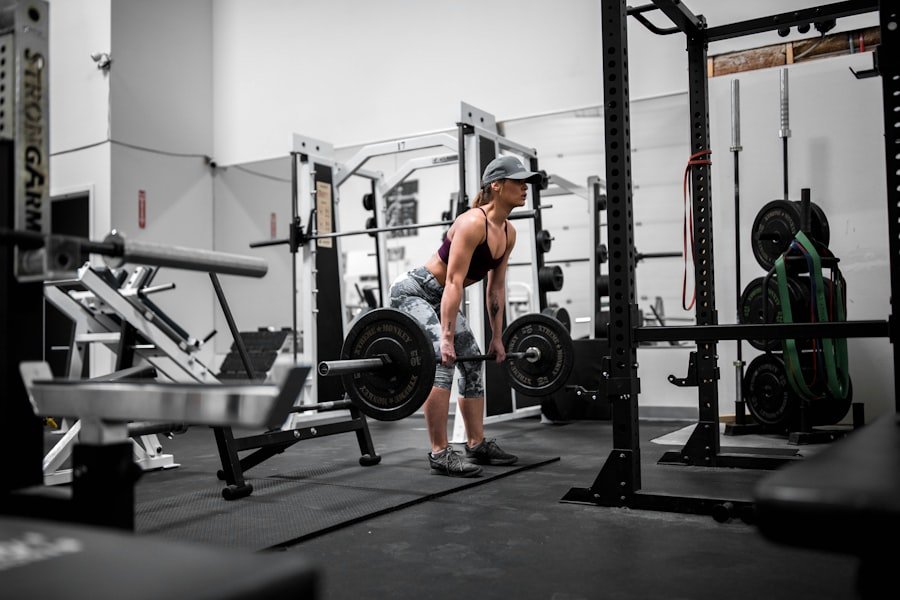
Finding the right clothing size can be challenging, especially when considering different body shapes and weights. It is important to remember that clothing sizes can vary between brands and even within the same brand. Therefore, it is essential to focus on finding clothes that fit well and make you feel comfortable and confident.
When shopping for clothes as a 160 lb woman, it is helpful to consider your body shape and proportions. For example, if you have an apple-shaped body, you may want to choose clothing styles that emphasize your legs and arms while minimizing the midsection. If you have a pear-shaped body, you may want to choose clothing styles that accentuate your waist while balancing out your hips and thighs.
It is also important to debunk common misconceptions about clothing sizes. The number on the tag does not define your worth or beauty. Different brands have different sizing standards, so it is important to focus on how the clothes fit rather than the size label.
Health Concerns Associated with Being Overweight
Being overweight or obese can increase the risk of various health conditions and diseases. Some of the health concerns associated with excess weight include:
- Type 2 diabetes: Excess weight can lead to insulin resistance and an increased risk of developing type 2 diabetes.
- Heart disease: Obesity is a major risk factor for heart disease, including high blood pressure, high cholesterol, and heart attacks.
- Stroke: Obesity is associated with an increased risk of stroke due to the strain it puts on the cardiovascular system.
- Sleep apnea: Excess weight can contribute to the development of sleep apnea, a condition characterized by interrupted breathing during sleep.
- Joint problems: Carrying excess weight puts additional stress on the joints, increasing the risk of conditions such as osteoarthritis.
- Mental health issues: Being overweight or obese can also have a negative impact on mental health, leading to low self-esteem, depression, and anxiety.
Tips for Maintaining a Healthy Weight
Maintaining a healthy weight is important for overall health and well-being. Here are some tips for achieving and maintaining a healthy weight:
1. Eat a balanced diet: Focus on consuming a variety of nutrient-rich foods, including fruits, vegetables, whole grains, lean proteins, and healthy fats. Avoid or limit processed foods, sugary drinks, and excessive amounts of added sugars and unhealthy fats.
2. Practice portion control: Pay attention to portion sizes and listen to your body's hunger and fullness cues. Avoid eating large portions or going back for seconds unless you are truly hungry.
3. Stay active: Engage in regular physical activity that you enjoy. Aim for at least 150 minutes of moderate-intensity aerobic activity or 75 minutes of vigorous-intensity aerobic activity per week, along with strength training exercises at least twice a week.
4. Get enough sleep: Aim for 7-9 hours of quality sleep per night. Lack of sleep can disrupt hormones that regulate appetite and metabolism, leading to weight gain.
5. Manage stress: Find healthy ways to cope with stress, such as practicing relaxation techniques, engaging in hobbies, or seeking support from friends and family.
6. Stay hydrated: Drink plenty of water throughout the day to stay hydrated and help control appetite.
7. Seek support: Surround yourself with a supportive network of friends and family who can encourage and motivate you on your weight management journey.
Importance of Exercise and Diet for Weight Management
Exercise and diet play crucial roles in weight management. Regular physical activity helps to burn calories, build muscle, and increase metabolism. It also provides numerous health benefits, including improved cardiovascular health, increased energy levels, and reduced risk of chronic diseases.
In addition to exercise, maintaining a balanced diet is essential for weight management. A diet that is rich in fruits, vegetables, whole grains, lean proteins, and healthy fats provides the necessary nutrients for optimal health while helping to control calorie intake.
It is important to find a sustainable routine that includes both exercise and a balanced diet. Crash diets or extreme exercise regimens are not sustainable in the long term and can lead to weight cycling or yo-yo dieting. Instead, focus on making gradual changes to your lifestyle that you can maintain over time.
Body Positivity and Acceptance of Different Body Types
Body positivity is a movement that promotes acceptance and appreciation of all body types. It emphasizes the importance of self-love and self-acceptance, regardless of size or shape. Body positivity encourages individuals to embrace their bodies as they are and reject societal beauty standards that promote unrealistic ideals.
It is important to remember that everyone's body is unique and beautiful in its own way. Instead of striving for a specific body type or weight, focus on nourishing your body with healthy habits and treating it with kindness and respect.
Seeking Professional Help for Weight Loss and Management
While making healthy lifestyle changes can be beneficial for weight loss and management, it is important to recognize when professional help may be needed. Various professionals can provide guidance and support in achieving weight-related goals, including:
- Registered dietitians: Dietitians can provide personalized nutrition advice and help develop a meal plan that meets individual needs.
- Personal trainers: Trainers can create exercise programs tailored to individual goals and provide guidance on proper form and technique.
- Therapists or counselors: Mental health professionals can help address emotional or psychological factors that may contribute to weight-related issues.
- Bariatric surgeons: In cases of severe obesity, bariatric surgery may be an option to aid in weight loss and improve overall health.
Seeking professional help can provide valuable support and guidance on the journey to achieving and maintaining a healthy weight.
Understanding body weight and size is essential for maintaining overall health and well-being. Body Mass Index (BMI) is a useful tool for assessing body weight, but it should be used as a starting point for further evaluation. Factors such as genetics, lifestyle, and environment can influence body size and weight. The average height and weight of women in the US can vary depending on various factors. Body shape and proportions can vary based on individual body composition. When it comes to clothing sizes, it is important to focus on finding clothes that fit well rather than the size label. Being overweight or obese can increase the risk of various health conditions, but maintaining a healthy weight through a balanced diet and regular exercise can help mitigate these risks. It is important to prioritize self-love and acceptance of different body types, while also seeking professional help when needed.
If you're interested in learning more about the benefits of martial arts training for both the mind and body, check out this article on Mastering Mind and Body: The Benefits of Champions Martial Arts Training. It explores how martial arts can help improve physical fitness, mental focus, and overall well-being. Whether you're a beginner or an experienced practitioner, this article provides valuable insights into the transformative power of martial arts.
FAQs
What is the average height of a 160 lb woman?
There is no specific average height for a 160 lb woman as it varies based on factors such as age, body type, and muscle mass.
Is a 160 lb woman considered overweight?
It depends on the individual's height, body type, and muscle mass. A 160 lb woman may be considered overweight if she is shorter in height and has a higher body fat percentage.
What dress size would a 160 lb woman wear?
The dress size of a 160 lb woman varies based on her body type and height. Generally, a woman who weighs 160 lbs may wear a dress size between 10-14.
What is the BMI of a 160 lb woman?
The BMI of a 160 lb woman varies based on her height. For example, a woman who is 5'5" and weighs 160 lbs has a BMI of 26.6, which is considered overweight.
What is the ideal weight for a 5'7" woman?
The ideal weight for a 5'7" woman varies based on factors such as age, body type, and muscle mass. However, a healthy weight range for a 5'7" woman is between 121-153 lbs.


