
The salad diet is often promoted as a simple and effective method for weight loss. Many individuals believe that consuming salads as their primary meals will result in effortless weight reduction. However, this notion is not supported by scientific evidence.
While salads can be a nutritious component of a balanced diet, relying exclusively on salads for weight loss is not a sustainable long-term strategy. The concept that eating only salads will lead to significant weight loss oversimplifies the complex nature of nutrition and weight management. It is crucial to understand that weight loss is a multifaceted process involving more than just food choices.
Factors such as portion control, total caloric intake, physical activity levels, and individual metabolic rates all contribute to achieving and maintaining a healthy weight. While salads can be a valuable part of a weight loss plan, they should not be considered a standalone solution for reducing excess weight. Instead, a comprehensive approach that incorporates a variety of nutrient-dense foods, regular exercise, and mindful eating habits is essential for long-term success in weight management.
Key Takeaways
- The idea of a salad-only diet as a quick fix for weight loss is a myth
- Weight loss is a result of creating a calorie deficit, not just eating salads
- A salad-only diet may lack essential nutrients like protein and healthy fats
- Potential side effects of a salad-only diet include nutrient deficiencies and low energy levels
- Sustainable weight loss involves balanced nutrition, regular exercise, and healthy habits
The Science Behind Weight Loss
Understanding Weight Loss
Weight loss is a complex process that involves the balance between energy intake and energy expenditure. In order to lose weight, individuals must consume fewer calories than they expend. This can be achieved through a combination of dietary changes and increased physical activity.
The Role of Calorie Deficit
When the body is in a calorie deficit, it begins to use stored fat as a source of energy, leading to weight loss over time. In addition to calorie balance, the quality of the foods consumed also plays a crucial role in weight management.
Nutrient-Dense Foods for Weight Management
Nutrient-dense foods such as fruits, vegetables, lean proteins, and whole grains provide essential vitamins, minerals, and fiber that support overall health and satiety. These foods can help individuals feel full and satisfied while consuming fewer calories, making it easier to maintain a calorie deficit for weight loss.
Physical Activity for Weight Loss
Furthermore, regular physical activity not only burns calories but also helps to build lean muscle mass, which can increase the body's metabolic rate and further support weight loss efforts.
Nutritional Considerations of a Salad-Only Diet
While salads can be a nutritious and low-calorie meal option, relying solely on salads for sustenance may lead to nutritional deficiencies if not carefully planned. A well-balanced salad should include a variety of colorful vegetables, lean proteins, healthy fats, and complex carbohydrates to provide essential nutrients and promote satiety. However, it can be challenging to meet all of the body's nutritional needs through salads alone.
For example, salads may lack sufficient amounts of certain nutrients such as vitamin B12, iron, and omega-3 fatty acids, which are commonly found in animal products. Additionally, individuals who consume only salads may struggle to meet their protein needs, as most plant-based proteins are not as concentrated as animal-based proteins. Furthermore, excessive reliance on low-calorie vegetables in salads may lead to inadequate energy intake, which can result in fatigue and nutrient deficiencies over time.
To address these concerns, individuals following a salad-only diet should consider incorporating a variety of nutrient-dense foods such as legumes, nuts, seeds, whole grains, and lean meats or fish into their salads to ensure they are meeting their nutritional needs. Additionally, consulting with a registered dietitian can help individuals create well-balanced salad meals that provide essential nutrients while supporting their weight loss goals.
Potential Side Effects of a Salad-Only Diet
While salads can be a healthy and satisfying meal option, consuming them exclusively may lead to potential side effects if not carefully managed. One common side effect of a salad-only diet is the risk of nutrient deficiencies. As mentioned earlier, salads may lack certain essential nutrients such as vitamin B12, iron, and omega-3 fatty acids, which are important for overall health.
Inadequate intake of these nutrients can lead to fatigue, weakness, and impaired immune function over time. Furthermore, excessive consumption of raw vegetables in salads may lead to digestive discomfort for some individuals. Raw vegetables contain high amounts of fiber, which can be difficult for some people to digest, leading to bloating, gas, and gastrointestinal distress.
Additionally, individuals who consume only salads may struggle to maintain adequate energy levels throughout the day, especially if they are physically active or have high energy requirements. To mitigate these potential side effects, individuals following a salad-only diet should pay attention to their overall nutrient intake and consider incorporating a variety of nutrient-dense foods into their meals. Additionally, listening to their bodies and adjusting their salad intake based on their energy needs and digestive comfort can help prevent potential side effects associated with a salad-only diet.
Strategies for Sustainable Weight Loss
Sustainable weight loss involves making long-term lifestyle changes that support overall health and well-being. Instead of relying on fad diets or quick fixes, individuals should focus on creating sustainable habits that promote healthy eating and regular physical activity. One effective strategy for sustainable weight loss is to focus on portion control and mindful eating.
By paying attention to hunger cues and practicing portion control, individuals can better manage their caloric intake and prevent overeating. In addition to portion control, incorporating regular physical activity into daily routines is essential for sustainable weight loss. Engaging in activities such as walking, jogging, swimming, or strength training not only burns calories but also supports overall health and well-being.
Finding enjoyable forms of exercise and making them a regular part of one's routine can help individuals maintain their weight loss efforts in the long term. Furthermore, seeking support from friends, family members, or a professional such as a registered dietitian or certified personal trainer can provide valuable encouragement and guidance throughout the weight loss journey. By building a strong support network and seeking professional assistance when needed, individuals can increase their chances of achieving sustainable weight loss and maintaining their results over time.
Incorporating Variety into a Salad-Only Diet
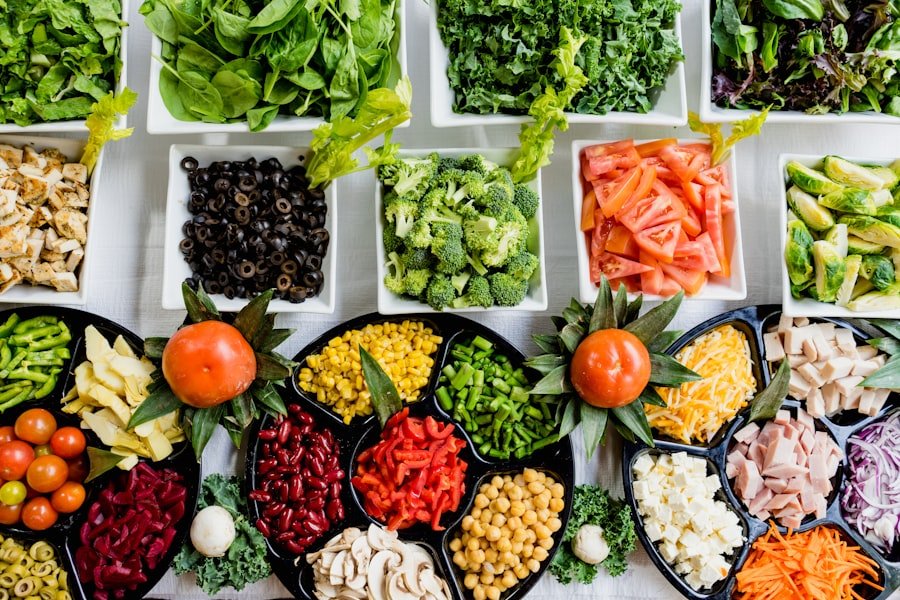
Experimenting with Ingredients
While salads can be a healthy and versatile meal option, incorporating variety into a salad-only diet is essential for meeting nutritional needs and preventing food boredom. One way to add variety to salads is by experimenting with different types of vegetables, fruits, proteins, and dressings. For example, individuals can create colorful salads using a variety of leafy greens such as spinach, kale, arugula, or romaine lettuce and add an assortment of colorful vegetables such as bell peppers, tomatoes, cucumbers, carrots, and radishes.
Incorporating Proteins and Dressings
In addition to vegetables, incorporating different types of proteins into salads can help increase satiety and provide essential nutrients. Options such as grilled chicken breast, hard-boiled eggs, tofu, chickpeas, or quinoa can add variety and flavor to salads while providing essential amino acids for overall health. Furthermore, experimenting with different types of dressings such as vinaigrettes, tahini-based dressings, or yogurt-based dressings can add new flavors and textures to salads.
Exploring Cooking Methods
Another way to incorporate variety into a salad-only diet is by exploring different cooking methods for vegetables and proteins. Roasting or grilling vegetables can enhance their natural flavors and textures, while marinating proteins in herbs and spices can add depth and complexity to salads. By embracing creativity and exploring new ingredients and cooking techniques, individuals can keep their salad meals interesting and satisfying while meeting their nutritional needs.
Seeking Professional Guidance for Weight Loss
For individuals seeking to lose weight in a healthy and sustainable manner, seeking professional guidance from a registered dietitian or certified nutritionist can provide valuable support and personalized recommendations. A qualified nutrition professional can assess an individual's unique dietary needs, preferences, and goals and create a customized meal plan that supports their weight loss efforts while ensuring they meet their nutritional needs. In addition to personalized meal planning, a registered dietitian or nutritionist can provide education on portion control, mindful eating practices, and strategies for managing cravings and emotional eating.
By working with a professional who specializes in nutrition and weight management, individuals can gain valuable knowledge and skills that support their long-term success in achieving and maintaining a healthy weight. Furthermore, seeking guidance from a certified personal trainer or fitness professional can help individuals develop an effective exercise routine that supports their weight loss goals while promoting overall health and well-being. By working with a professional who understands the principles of exercise physiology and program design, individuals can create an exercise plan that is safe, effective, and enjoyable.
In conclusion, while salads can be a healthy and nutritious meal option that supports weight loss efforts when incorporated into a balanced diet and lifestyle. Relying solely on salads for sustenance is not sustainable in the long term and may lead to potential side effects if not carefully managed. Instead of focusing on quick fixes or restrictive diets such as the salad-only diet individuals should adopt sustainable habits that promote healthy eating regular physical activity seeking professional guidance when needed can provide valuable support throughout the weight loss journey.
If you're considering a diet of only salad, you may want to read this article on the benefits of century martial arts training. While eating salad can be a healthy choice, it's important to consider a well-rounded approach to fitness and wellness. Incorporating martial arts training into your routine can provide a full-body workout and help you achieve your weight loss goals in a sustainable way.
FAQs
Is it possible to lose weight by only eating salad everyday?
Yes, it is possible to lose weight by only eating salad everyday. Salads are typically low in calories and high in fiber, which can help with weight loss.
What are the potential benefits of eating salad everyday for weight loss?
Eating salad everyday can help with weight loss because it can increase your intake of vegetables, which are low in calories and high in nutrients. Additionally, the fiber in salads can help you feel full and satisfied, leading to reduced overall calorie intake.
Are there any potential drawbacks to only eating salad everyday for weight loss?
While salads can be a healthy and low-calorie option for weight loss, it's important to ensure that you are getting a balanced diet with all the necessary nutrients. Eating only salad everyday may lead to deficiencies in certain nutrients if not supplemented properly.
What should I consider when eating salad everyday for weight loss?
When eating salad everyday for weight loss, it's important to include a variety of vegetables, lean proteins, healthy fats, and complex carbohydrates to ensure that you are getting all the necessary nutrients. It's also important to watch portion sizes and be mindful of high-calorie salad dressings and toppings.


